
Risk-Based Underwater Inspections: A Smarter Strategy for Commercial Cargo Vessel Maintenance
In modern commercial shipping, efficiency is no longer just about speed—it’s about data-driven decision making. Traditional inspection schedules based solely on fixed intervals are increasingly being replaced by risk-based underwater inspection strategies, allowing fleet managers to prioritize maintenance where it is truly needed.
Aquadiver Panamá provides advanced underwater inspection solutions designed specifically for commercial cargo vessels, helping operators reduce unnecessary interventions while focusing on high-risk areas that could lead to costly failures.
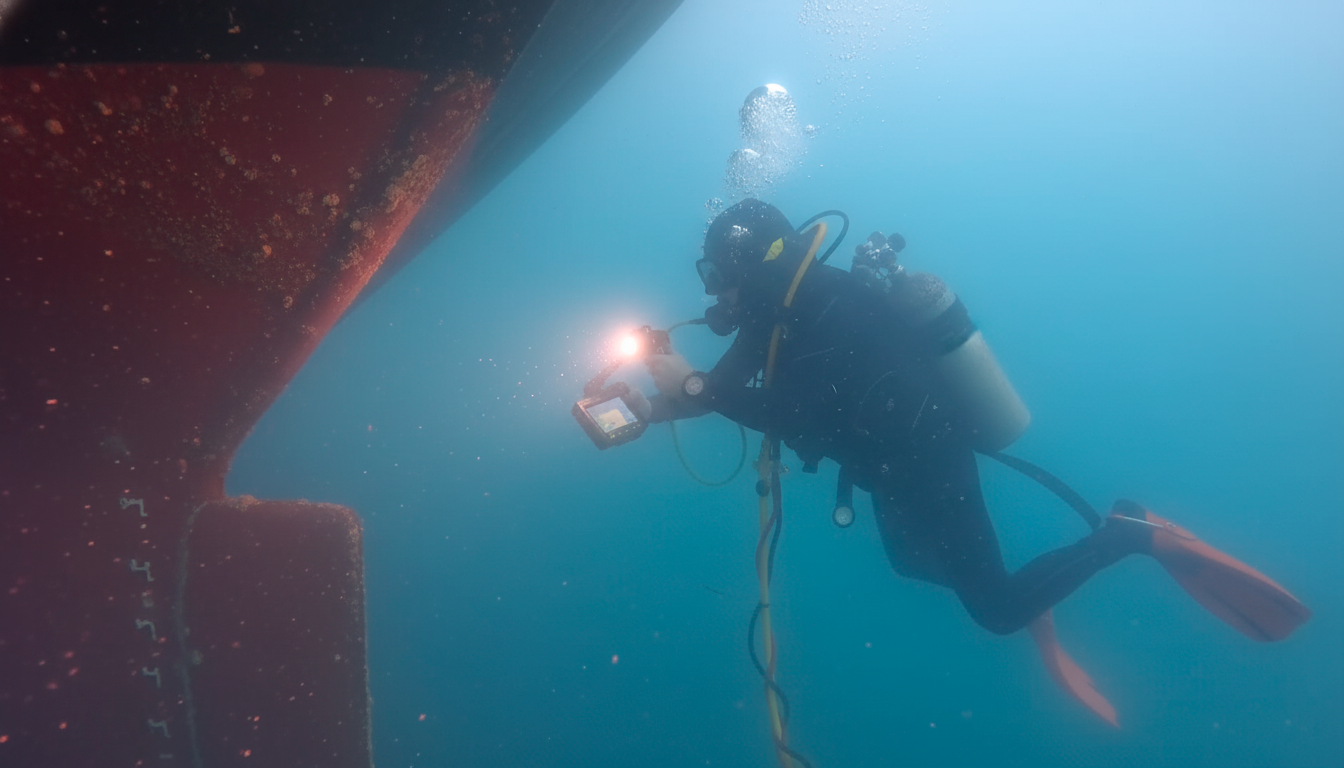
What Is a Risk-Based Underwater Inspection?
A risk-based underwater inspection (RBI) is an approach where inspection frequency and scope are determined based on:
- Operational profile of the vessel
- Environmental exposure (salinity, temperature, fouling rate)
- Age and condition of hull coatings
- Historical maintenance data
- Criticality of specific components
Instead of inspecting everything equally, RBI focuses on areas most likely to fail or degrade.
Why Traditional Inspection Schedules Fall Short
Many cargo vessels still follow fixed inspection intervals (e.g., every 6 or 12 months). While simple, this approach has limitations:
- Over-inspection of low-risk areas
- Missed early signs of localized damage
- Unnecessary operational costs
- Lack of predictive maintenance insight
Risk-based inspections solve this by aligning inspection effort with actual vessel condition.
Key High-Risk Areas in Cargo Vessels
Through extensive field experience, Aquadiver identifies the following as priority inspection zones:
- Sea chests: prone to blockage affecting cooling systems
- Propeller and shaft: exposed to fouling and impact damage
- Rudder assemblies: subject to mechanical stress
- Hull areas near waterline: coating degradation due to UV and wave action
- Anodes: uneven consumption patterns
How RBI Improves Maintenance Planning
By focusing on critical areas, risk-based inspections allow technical managers to:
- Plan targeted repairs instead of full-scale interventions
- Reduce unnecessary diving operations
- Extend coating lifespan
- Optimize dry dock scheduling
This results in more efficient allocation of maintenance budgets.
Data Collection and Reporting
Aquadiver provides detailed inspection reports including:
- HD underwater video footage
- Photographic documentation
- Condition grading per component
- Risk classification (low, medium, high)
- Action recommendations
This data becomes a valuable asset for long-term fleet management.
Integration with Fleet Management Systems
Modern shipping companies integrate inspection data into digital maintenance platforms. RBI reports from Aquadiver can support:
- Predictive maintenance models
- Performance tracking
- Compliance documentation
- Budget forecasting
Operational Benefits
- Reduced downtime
- Lower maintenance costs
- Improved safety
- Better regulatory compliance
- Enhanced vessel reliability
Why Panama Is Ideal for RBI Implementation
Panama’s position as a global shipping hub makes it a strategic location to perform risk-based inspections during routine port calls.
Aquadiver operates across all major commercial ports, allowing inspections without disrupting cargo operations.
Conclusion
Risk-based underwater inspections represent the future of commercial vessel maintenance. By focusing on what truly matters, shipping companies can reduce costs, improve safety, and make smarter operational decisions.
Aquadiver Panamá provides the expertise and data-driven approach required to implement effective RBI strategies for cargo fleets operating in one of the world’s busiest maritime corridors.
Contact us to implement a risk-based inspection plan for your fleet.