
Preparing Cargo Ships for Panama Canal Transit: Underwater Maintenance Checklist
Each year, over 13,000 commercial vessels pass through the Panama Canal, making it one of the most vital maritime routes in the world. For cargo ships, efficient and uninterrupted transit is key to maintaining tight delivery schedules and profitability. One of the most overlooked yet critical factors in preparing for Canal passage is underwater maintenance and inspection.
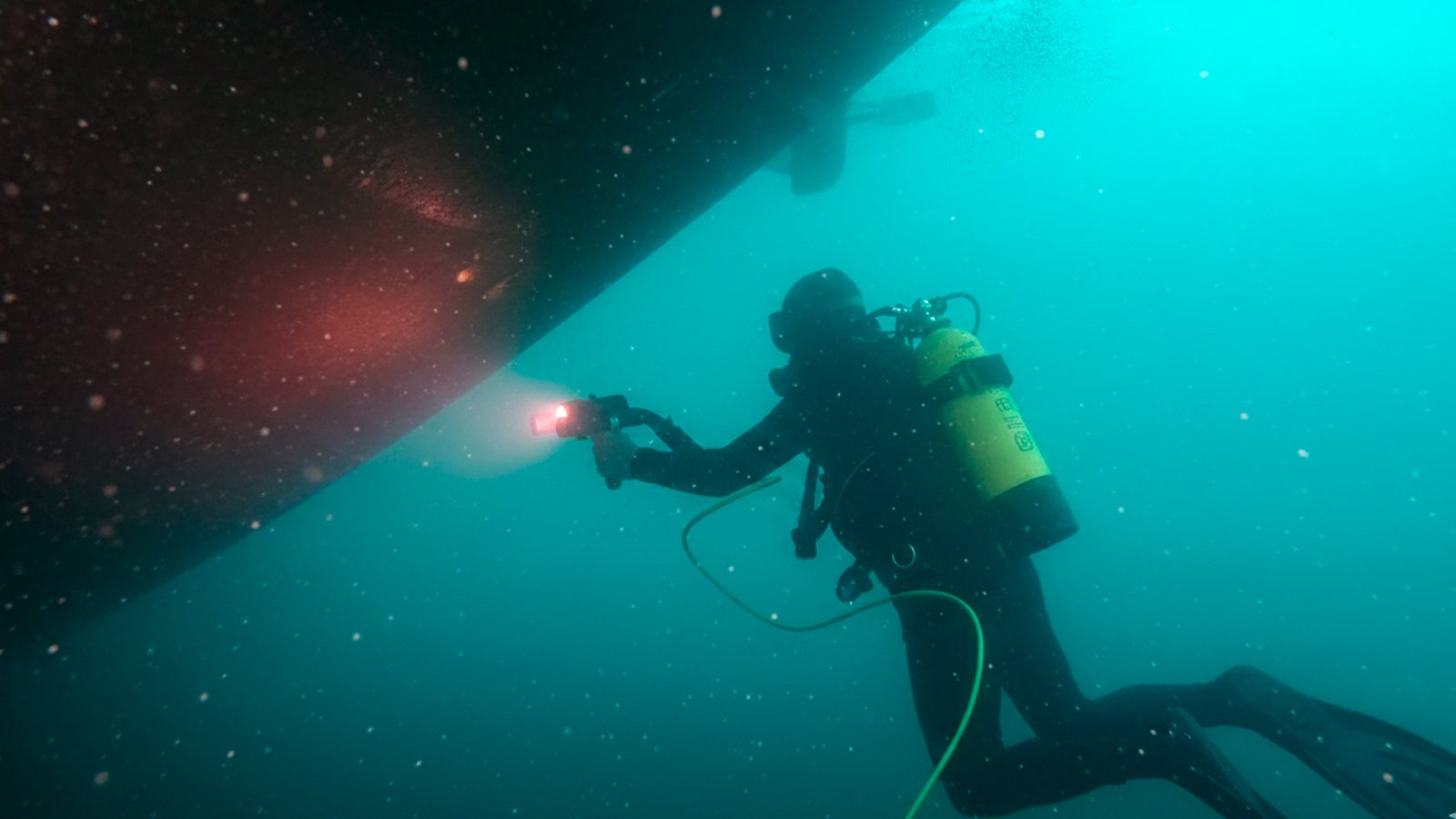
Avoiding delays, detentions, or emergency cleaning requirements starts with a solid understanding of what the Panama Canal Authority (ACP) looks for—and how proper underwater readiness can save tens of thousands of dollars in transit efficiency.
Why Underwater Readiness Matters
The ACP enforces strict regulations related to vessel condition. From hull fouling and rudder alignment to bow thruster performance and anode integrity, issues below the waterline can result in:
- Transit delays or slot rescheduling
- Fines for non-compliance
- Increased canal tolls due to inefficiencies
- Reputational risk with cargo owners and charterers
Preventive underwater inspection and maintenance is the best strategy to avoid costly surprises.
Checklist: Underwater Maintenance Before Transit
1. Hull Inspection
A full hull inspection identifies fouling, dents, corrosion, or impact damage. It also checks paint condition and possible detachment zones that may indicate coating failure. Any signs of moderate or heavy fouling may trigger cleaning requests by ACP or vetting entities.
2. Hull Cleaning
Hull resistance caused by fouling can affect vessel speed and maneuverability—two key elements for lock operations. Cleaning the hull before transit helps avoid unnecessary tug assistance or last-minute schedule changes.
3. Propeller and Rudder Check
Inspecting the propeller ensures no rope, net, or damage is present. A polished propeller can improve propulsion efficiency by 3–5%. Rudder inspection checks for fouling, rust, or play that could impact navigation inside the locks.
4. Anode Integrity
Anodes protect the hull from corrosion. Missing or degraded anodes may signal deeper electrolysis issues. ACP inspectors may raise concerns if protection is visibly compromised. Underwater anode replacement can be performed by Aquadiver without dry docking.
5. Bow Thruster Grids
Thrusters are essential for safe transit in lock chambers. Grids must be free of fouling, nets, or blockages. Divers can clean and verify performance during underwater inspection, avoiding functional failures during approach or exit.
6. Sea Chests and Grates
These are critical for cooling systems and ballast operations. Fouled or blocked intakes can cause engine overheating or ballast imbalance—both of which may delay transit clearance.
7. Shaft and Seal Check
Visual confirmation that the shaft is clean, spinning freely, and without seal oil leakage is part of a thorough underwater check. Leaking seals can raise red flags with classification societies and canal authorities alike.
Timing Your Underwater Inspection
We recommend scheduling your inspection at least 48–72 hours before Panama Canal ETA. This allows time for documentation review, issue correction, and alignment with your agent’s submission deadlines.
Locations we cover include:
- Balboa Anchorage and Rodman
- Cristóbal and Colón 2000
- Manzanillo International Terminal
- Private terminals on both coasts
ACP Concerns We Help You Avoid
| Risk | What We Do |
|---|---|
| Hull fouling | Underwater hull cleaning + documentation |
| Propeller entanglement | Rope and net removal with video proof |
| Missing anodes | Anode replacement in situ |
| Blocked sea chests | Grid cleaning and debris removal |
What Our Transit Prep Report Includes
- HD video of hull, propeller, rudder, thrusters
- Annotated still photos of any anomalies
- Diver log signed with GPS coordinates
- Checklist of critical elements cleared for transit
- Compliance notes for ACP agents and port authorities
Case Study: Transit Delay Avoided for Ro-Ro Carrier
In May 2024, a 180m Ro-Ro ship scheduled for northbound canal transit experienced vibration while approaching Balboa. Suspecting propeller issues, the agent called Aquadiver Panamá.
Our team performed a same-day underwater inspection and discovered a steel wire partially entangled around the propeller shaft. We removed it within 3 hours, confirmed anode condition, and submitted documentation.
The vessel was cleared by ACP on time, avoiding an estimated $25,000 in rescheduling penalties.
Optional Services to Combine with Transit Prep
All services are performed at anchorage, berth, or alongside pier with minimal disruption to cargo operations.
Conclusion: Transit Efficiency Starts Below the Waterline
Preparing your cargo vessel for Panama Canal transit isn’t just about paperwork and route planning. It begins with what lies beneath the surface—hull condition, propeller health, anode status, and more. Skipping this step can cost time, money, and reputation.
Aquadiver Panamá is your partner in ensuring full underwater readiness for canal passage. With fast deployment, professional documentation, and 24/7 availability, we help keep your vessel moving—clean, compliant, and efficient.
Schedule your inspection today and transit the canal with confidence.