
How Underwater Inspections Help Commercial Ships Prepare for Port State Control (PSC) Inspections
For commercial shipping companies, maintaining compliance with international maritime regulations is just as important as maintaining operational efficiency. One of the most significant compliance mechanisms affecting cargo vessels worldwide is the Port State Control (PSC) inspection program.
Although PSC inspections primarily focus on vessel safety, pollution prevention, crew certification, and statutory compliance, the overall physical condition of the vessel—including its underwater components—plays an important role in demonstrating that the ship is properly maintained.
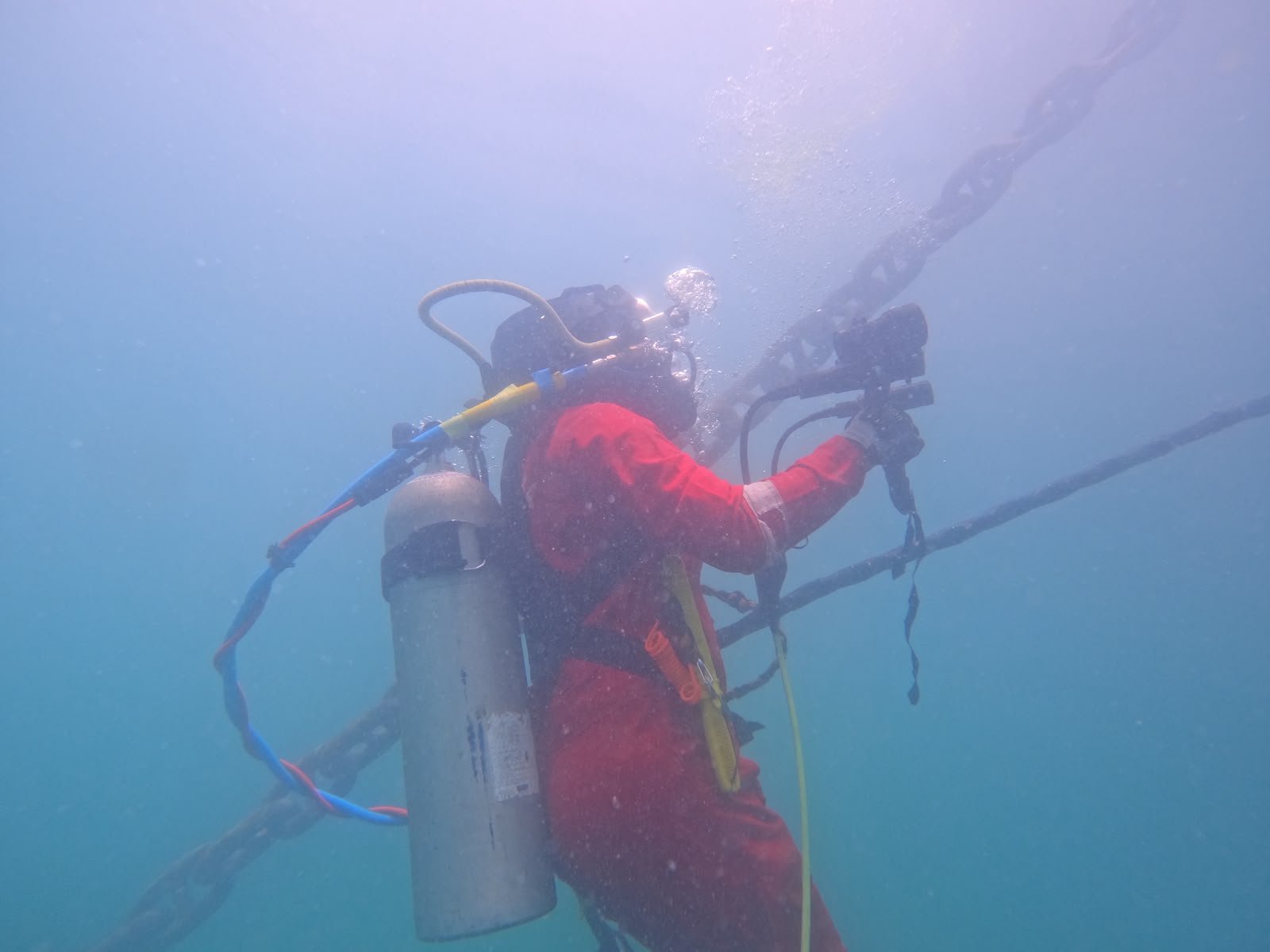
Professional underwater inspections performed by experienced commercial divers provide shipowners and technical managers with valuable information that supports preventive maintenance, reduces operational risk, and prepares vessels for successful inspections throughout their trading routes.
Aquadiver Panamá specializes in underwater inspections for commercial vessels calling at Panamanian ports, helping operators identify underwater deficiencies before they become operational or regulatory concerns.
Understanding Port State Control (PSC)
Port State Control is an international inspection system that allows maritime authorities to verify whether foreign-flagged vessels comply with international conventions established by the International Maritime Organization (IMO) and the International Labour Organization (ILO).
PSC inspections are carried out in ports around the world through regional agreements such as:
- Paris Memorandum of Understanding (Paris MoU)
- Tokyo Memorandum of Understanding (Tokyo MoU)
- Caribbean MoU
- Indian Ocean MoU
- Mediterranean MoU
The primary objective is to ensure that vessels are operated safely, maintained correctly, and do not represent a risk to people, cargo, or the marine environment.
Why Underwater Condition Matters
Although PSC inspectors rarely conduct underwater examinations themselves, the underwater condition of a commercial vessel has a direct impact on many areas that may attract additional attention during an inspection.
For example:
- Poor hull maintenance may indicate inadequate maintenance practices.
- Damaged propellers can generate excessive vibration affecting propulsion systems.
- Corrosion may suggest deferred maintenance.
- Blocked sea chests may contribute to cooling system deficiencies.
- Damaged sacrificial anodes may indicate insufficient corrosion protection.
Maintaining underwater structures in good condition demonstrates that the vessel follows a proactive maintenance philosophy.
The Role of Preventive Underwater Inspections
Routine underwater inspections provide technical managers with accurate information about submerged components that cannot be evaluated during normal onboard operations.
Rather than waiting for dry docking, underwater inspections allow maintenance decisions to be based on actual vessel condition.
This proactive approach helps reduce unexpected findings that could affect vessel availability.
Critical Components Evaluated During Underwater Inspections
Hull Structure
The hull is inspected for:
- Mechanical damage
- Coating deterioration
- Marine growth
- Corrosion
- Impact marks
Early identification allows operators to schedule repairs before problems become more serious.
Propeller Assessment
The propeller is one of the most important propulsion components on any cargo vessel.
Divers inspect for:
- Cavitation damage
- Blade deformation
- Fishing line entanglement
- Marine growth accumulation
These issues may significantly reduce propulsion efficiency.
Rudder Inspection
Proper steering performance is essential for safe vessel operation.
Routine inspections evaluate:
- Structural integrity
- Visible damage
- Marine growth
- Signs of abnormal wear
Sea Chests
Sea chests provide seawater to cooling systems and auxiliary equipment.
Heavy fouling inside these structures can reduce water flow and affect machinery performance.
Regular underwater inspections identify these problems before they lead to operational failures.
Supporting Planned Maintenance Programs
One of the greatest advantages of underwater inspections is the ability to incorporate real condition data into the vessel’s Planned Maintenance System (PMS).
Inspection reports generated by Aquadiver Panamá include:
- High-definition underwater photographs
- Video documentation
- Component condition assessments
- Maintenance recommendations
- Repair prioritization
This documentation helps technical departments make informed maintenance decisions.
Reducing Operational Risk
Unexpected underwater failures often result in:
- Emergency repairs
- Voyage delays
- Higher maintenance costs
- Charter disruptions
- Insurance claims
Routine underwater inspections significantly reduce these risks by identifying defects while they are still manageable.
Preparing for Inspections Beyond PSC
Underwater inspections also support preparation for:
- Flag State inspections
- Classification Society surveys
- Insurance condition surveys
- Pre-charter inspections
- Pre-dry dock planning
Maintaining complete underwater inspection records demonstrates a strong maintenance culture that benefits vessel operators throughout the ship’s operating life.
Why Panama Is an Ideal Location for Underwater Inspections
As one of the world’s busiest maritime hubs, Panama offers an excellent opportunity to perform underwater inspections during scheduled port calls without significantly affecting commercial operations.
Many cargo vessels already stop in Panama for canal transit, cargo operations, bunkering, or crew changes, making it an ideal location to combine operational activities with preventive underwater maintenance.
Why Choose Aquadiver Panamá?
Aquadiver Panamá provides specialized underwater inspection services exclusively for commercial vessels, including container ships, bulk carriers, tankers, LNG carriers, LPG carriers, Ro-Ro vessels, and multipurpose cargo ships.
Our commercial divers use advanced underwater imaging equipment to produce detailed inspection reports that support maintenance planning, operational decision-making, and regulatory preparedness.
With extensive experience operating in Panama’s major commercial ports, Aquadiver delivers fast, reliable underwater inspection services that minimize vessel downtime while maximizing operational confidence.
Preparing for Port State Control inspections begins long before a vessel arrives at port. A well-maintained underwater structure reflects a proactive maintenance strategy that reduces operational risk, improves vessel reliability, and supports compliance with international maritime standards.
Professional underwater inspections provide the information needed to identify hidden issues before they affect vessel performance or lead to costly repairs.
If your commercial vessel is scheduled to call at Panama, Aquadiver Panamá can help ensure your underwater assets are thoroughly inspected, properly documented, and ready to support safe and efficient operations.
Contact Aquadiver Panamá today to schedule a professional underwater inspection for your commercial fleet.