
How Biofouling Impacts Fuel Costs for Commercial Vessels in Panama
Fuel is one of the most significant operational costs for any commercial vessel, often representing more than 50% of a ship’s daily expenditure. In high-traffic maritime zones like Panama, where tropical waters accelerate marine growth, biofouling has become a silent threat that directly impacts fuel consumption, vessel performance, and long-term profitability.
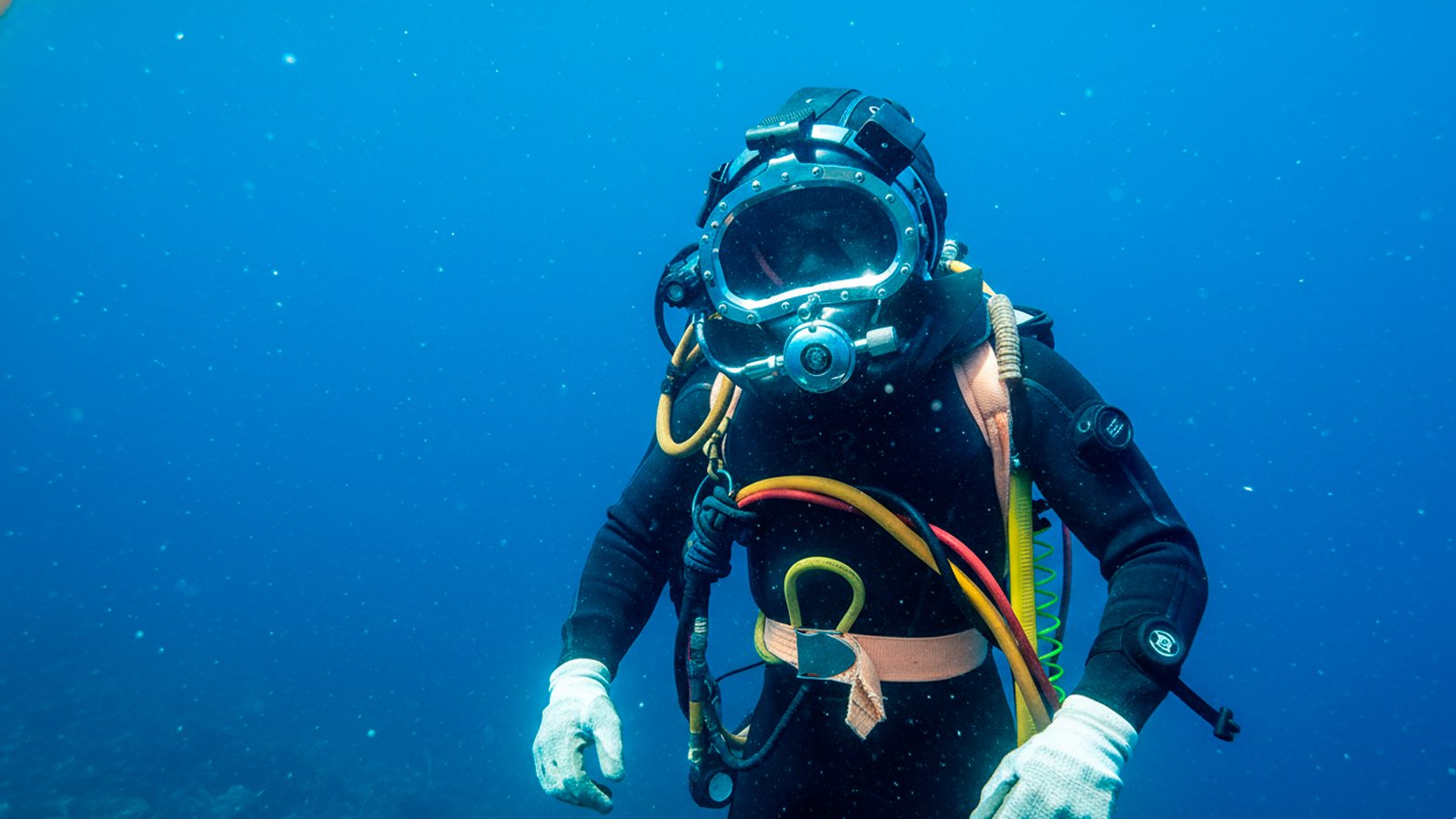
This article explores how biofouling affects commercial vessels, why it’s particularly relevant in Panama’s waters, and how proactive underwater maintenance from Aquadiver Panamá can help reduce fuel costs and regulatory risks.
What Is Biofouling?
Biofouling refers to the accumulation of marine organisms on submerged surfaces of a vessel—such as algae, barnacles, mussels, and bacterial slime. These organisms attach to the hull, rudder, sea chests, thrusters, and propeller, creating drag and disrupting hydrodynamics.
Even light fouling can increase resistance by 10–15%, while heavy biofouling can spike fuel consumption by 30% or more, depending on the vessel’s size and speed.
Why Is Biofouling a Bigger Issue in Panama?
Panama’s tropical climate and warm waters create the perfect environment for accelerated marine growth. Commercial vessels that anchor or wait for Panama Canal transit may sit idle for several days or even weeks. During this time, biofouling rapidly develops, especially on static components like sea chests and propellers.
According to industry data, hull fouling begins as early as 3 days after anchoring in tropical zones. After 14–21 days, early-stage barnacle colonization occurs, and slime layers begin to harden—drastically increasing drag and hull resistance.
Real Fuel Cost Implications
Let’s take a Panamax bulk carrier consuming 35 tons of bunker fuel per day at sea. If moderate biofouling adds just 10% resistance, the vessel may require an additional 3.5 tons of fuel daily to maintain the same speed. At $600 per ton, that’s an added $2,100 per day—or $63,000 per month of operations.
For shipping companies managing multiple vessels, biofouling can silently erode hundreds of thousands of dollars annually in unnecessary fuel spend.
Impact on Propulsion and Maneuvering
- Fouled propellers lose hydrodynamic efficiency
- Propulsion systems require more power to maintain RPM
- Thrusters may become blocked by growth in grids or tunnels
- Rudders respond more slowly due to slime or barnacle drag
This not only affects transit efficiency but also jeopardizes docking operations and maneuvering during canal passage.
Regulatory and Environmental Risks
In addition to fuel waste, biofouling poses regulatory and environmental challenges. The International Maritime Organization (IMO) has issued biofouling guidelines (MEPC.207(62)) encouraging ships to adopt proactive measures to prevent the transfer of invasive species via hulls.
Panama Canal Authority (ACP) and port authorities may demand hull cleaning or inspection before allowing transit if fouling is visible. Refusal or delays in compliance can lead to expensive rescheduling penalties.
Types of Biofouling Commonly Found
| Type | Description | Impact |
|---|---|---|
| Slime Layer | Microscopic bacteria and algae | +5% drag increase |
| Algae/Weed | Green seaweed, soft grass | +10% drag increase |
| Barnacles | Hard shells, often clustered | +20–30% drag increase |
| Shells/Mussels | Colonies on sea chests and rudder | Blockage, maneuvering issues |
How Aquadiver Panamá Helps Combat Biofouling
Our underwater cleaning and inspection services are tailored for commercial vessels operating in Panama’s key maritime zones—Balboa, Colón, Cristóbal, Manzanillo, and more. We provide:
- Full hull inspections with HD video documentation
- Partial or full hull cleaning using brush carts and hand tools
- Propeller polishing to restore smooth surfaces
- Grid clearing for thrusters, sea chests, and rudders
We work under class approval protocols and provide documentation suitable for port state control, vetting, and compliance reports.
When Should You Schedule Biofouling Cleaning?
- After 14+ days at anchor
- Before Panama Canal transit
- When fuel consumption increases without explanation
- Before inspections or dry docking
- During preventive maintenance (every 3–6 months)
Case Study: Reducing Fuel Waste for a Chemical Tanker
In March 2024, a 150m chemical tanker anchored in Cristóbal for 21 days awaiting canal clearance. After noticing excessive vibration and 12% increase in fuel use, the operator requested Aquadiver for inspection.
Our divers found moderate barnacle and algae fouling on the flat bottom and bilge keels. We performed full underwater cleaning and propeller polishing within 8 hours. Fuel consumption returned to normal within the next voyage segment—saving an estimated $38,000 in fuel.
Antifouling Paint Is Not Enough
While antifouling coatings help slow biofouling, they’re not foolproof. Most coatings lose effectiveness after 2–3 years or during prolonged anchorage. Underwater cleaning is the most effective way to restore hull performance between dry dockings.
Key Benefits of Biofouling Control
- Lower fuel consumption (5–30%)
- Improved engine and propeller efficiency
- Faster canal transit performance
- Compliance with IMO and ACP guidelines
- Reduction of greenhouse gas emissions
Conclusion: Clean Hulls, Leaner Operations
Biofouling is not just a maintenance issue—it’s a profitability issue. For fleet managers and superintendents operating in Panama, regular underwater hull inspections and cleanings are essential to maintaining vessel efficiency and reducing operating costs.
Aquadiver Panamá offers 24/7 underwater services across all commercial ports in Panama. Our divers are ready to deploy for hull cleaning, video inspections, or emergency interventions to keep your vessels compliant, fuel-efficient, and on schedule.
Contact us today to schedule an inspection or cleaning session tailored to your route and vessel class.